
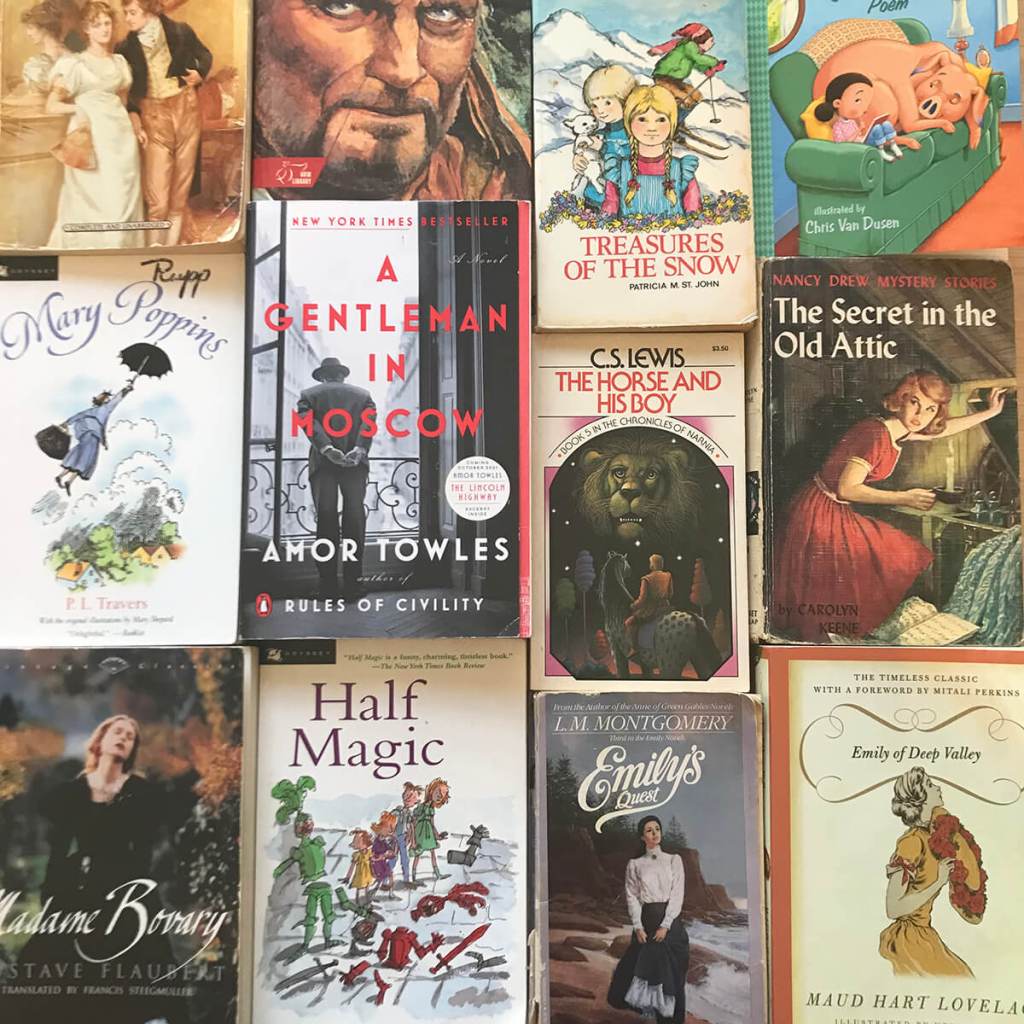
When I started writing fiction, I wanted to create complex characters, the kind that could walk right off the page, the kind readers feel they know. Maybe even a literary kindred spirit or two.
But how?
I had no idea, so I did what you do . . . I googled it.
And sure enough, Google gave me an answer. Specifically, it gave me questionnaires. All I had to do, apparently, was answer 500 questions about my character (actual number might vary), give him or her a life history, and bingo! Complexity.
Except that didn’t work for me. I ended up with characters that felt like they came straight from a paint-by-numbers kit. One-dimensional. Flat. I’d given them plenty of fears and hopes and dreams, so they said all the right things . . . and I didn’t believe a word of it. Their conversations creaked.
And here’s the strange thing about writing, I think. The paradox. Every bit of what you write comes from your imagination, and yet . . . and yet it also has its own existence. In her book Walking On Water, Madeleine L’Engle makes the point that writers must serve their work – in other words, must listen to it, help it become what it wants to be. And I’ve found this applies to characters, too.
So (and, yes, I understand this might seem strange), instead of thinking in terms of creating characters, now I think more in terms of getting to know them.
If a questionnaire works for you in that regard, that’s wonderful. That’s your process. But if not, here are some creative habits that have worked for me.
Habit 1: Start by putting the character in a scene.
Put your character in the middle of a job interview, for example. A conflict with Mom. Have him or her spill coffee on another character in a cafe, etc. (If none of these seem right, and you’re stumped for an idea, ask you character, where would you like to be? See Habit 3.).
Then, people-watch. Observe your character. How does he or she interact with others? What is he or she wearing? What’s the posture? Gestures? Note: all of these details may not be in the original scene. That’s okay. Focus your writerly lens and you’ll see it.
Habit 2: AFTER putting your character in a scene, take a tour around the character’s life.
I use a list of questions to take this tour (and for some of these questions, I’m indebted to Gail Carson Levine and her excellent book Writing Magic, which I highly recommend).
But how is this list different from a questionnaire, you ask?
Okay, maybe I’m splitting hairs here, but the list I use isn’t exhaustive. Some of the items are quirky, like the random things you might see about a person that you love. Some of them are deep, like the not-so-random things you (sometimes) see about a person that you love … what they want most or fear most or dream about. The point here is, you’re not pulling characteristics from thin air and putting them into a person. You’re not starting from scratch. You’re starting from a person in a scene.
To get my own list, you can sign up for my newsletter here.
Habit 3: Interview the character.
Sometimes there’s a mystery that lingers around a character. For example, sometimes you can’t exactly nail down a particular character’s goal on the first try. And this is a good thing! Often, it means the character is complex.
But what to do when this occurs? My friend Sandra Fernandez Rhoads, author of Mortal Sight and Realms of Light, once offered me this advice, which I now follow whenever I get stuck in the writing process. Interview your characters. Ask questions. Get to know them. Listen to their particular voices. (You can find Sandra Fernandez Rhoads and her fabulous characters here).
Some characters turn out to be reluctant. Some are sly. Some can’t stop talking. Put them together in a scene and it comes alive.
And that’s when you know . . . you’ve hit character gold.
 Helen Dent, Author
What are your thoughts?